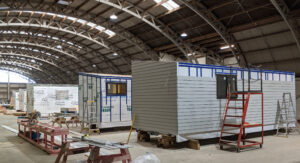
Mobile Homes – Chattel Housing not Real Estate
Ending government’s war on poor people and their mobile homes
Timeless development models for our time
- The hidden homeless are all around us
- A home is a life-changing event for them
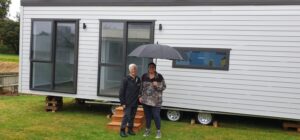
- Mobile homes come in various designs
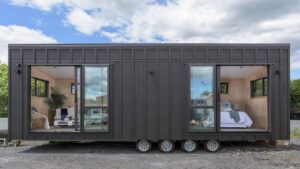
- Made all over New Zealand

Mobile homes: a practical housing solution being regulated out of reach
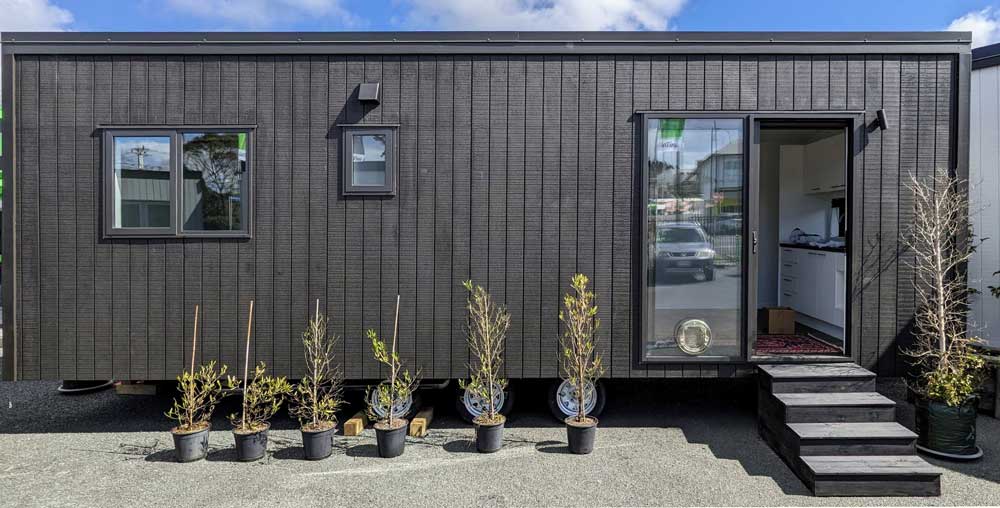
New Zealand needs affordable housing solutions that can be delivered quickly, lawfully and at low cost. Mobile homes are one of them.
A mobile home can be built in weeks, placed on site in hours, and removed just as easily when the need has passed. It is not fixed to the land in the ordinary sense. It is chattel, not a permanent building. That distinction matters.
For decades, mobile homes existed largely outside the traditional building framework because they were movable personal property. They provided a practical option for people with limited means, and for families wanting to place housing on land owned by whanau, relatives or friends.
More recently, the growth of the tiny-home movement brought this form of housing into more visible and affluent areas. Complaints followed. In response, some councils began treating mobile homes as if they were ordinary buildings, issuing abatement notices and notices to fix, and forcing owners into expensive and complex consent pathways.
The result is that one of the fastest and cheapest forms of housing is being pushed out of reach.
The real problem
New Zealand has a growing class of hidden homeless: people living in cars, tents, garages and overcrowded conditions. The social housing waiting list has grown dramatically. Large-scale promises of conventional new housing have repeatedly failed to meet need.
That failure is not surprising. Conventional housing is slow and expensive. It takes too long to consent, too long to build, and costs too much for many of the people who most need shelter.
Meanwhile, mobile homes already offer a domestic, scalable alternative. A one- or two-bedroom unit with kitchen and bathroom can be factory-built on a trailer chassis, delivered to site quickly, and occupied at a fraction of the cost of a conventional dwelling.
Regulation is the barrier
The problem is not that mobile homes are unsafe or impractical. The problem is that consenting authorities increasingly apply a functional “duck test”: if it looks like a building and is lived in like a building, they treat it as a building.
That approach ignores the legal and practical reality of mobility.
Once a mobile home is forced into the full resource consent and building consent system, the costs can become absurd. A unit costing around $80,000 can attract tens of thousands more in fees, consultant costs and compliance costs. In some cases, the regulatory burden can make the home economically impossible.
For people already under financial pressure, that is not regulation in the public interest. It is exclusion by process.
A system that burdens the poor
In practice, those most affected are often the least able to fight back. When councils issue formal notices, many owners comply, abandon the home, or give up because they cannot afford lawyers, planners and prolonged disputes.
A few challenge the system. In at least one notable case, the courts took a much more critical view than the regulators did. Yet despite clear judicial warning signs, the enforcement approach has continued.
This raises a serious public policy question: why is government obstructing one of the few genuinely affordable housing options still available?
Government has lost sight of its purpose
Both central and local government frequently speak of wellbeing, inclusion and housing need. But on the ground, the system often works in the opposite direction.
Under a user-pays model, regulatory departments recover costs through fees, charges and enforcement activity. That creates a structural bias toward process, revenue recovery and control, rather than practical outcomes for citizens.
The result is perverse. A housing form that should be encouraged as part of the affordable housing mix is instead treated as a problem to be suppressed.
If government is serious about housing, it must stop forcing every shelter solution into frameworks designed for permanent buildings on permanent sites.
What should happen
Mobile homes should be formally recognised as part of New Zealand’s affordable housing response.
So long as they remain genuinely mobile, they should not automatically be classified as buildings, structures or real property. Instead, government should work with the industry to identify sensible standards for health, safety and durability without destroying affordability.
That is entirely achievable. Manufacturers already have strong commercial reasons to build responsibly, and general consumer and liability law already provides discipline against poor design and unsafe products.
The choice
New Zealand can continue treating mobile homes as a regulatory nuisance, or it can recognise them for what they are: a fast, flexible and affordable housing option that helps real people.
At a time of housing shortage, rising hardship and visible social strain, obstructing mobile homes is not good planning. It is policy failure.
If elected officials want practical answers rather than slogans, mobile homes should be on the list.
If you want, I can also turn this into a sharper home-page version with headings, pull quotes, and a strong closing call to action for ministers or councils.